Shoot 2048 Hexa Puzzle
Reviews
Description
Game Introduction
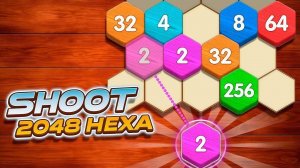
Shoot 2048 Hexa is a puzzle game that blends classic number merging with a hexagonal board layout. Players aim and shoot numbered tiles onto the grid, with the goal of combining matching numbers to create higher values. The game offers a fresh twist on the 2048 formula by adding a shooting mechanic and a hexagonal playing field, making each session a test of both strategy and precision. Its colorful visuals and straightforward rules make it accessible for casual players while still providing depth for those seeking a challenge.
How to Play
Players typically aim a launcher at a hexagonal grid filled with numbered tiles. The next tile to be fired is shown on the launcher. By tapping or clicking, you shoot the tile toward an empty hexagon. When a newly placed tile touches another tile with the same number, they merge into a single tile with a doubled value. After each shot, new tiles may appear, gradually filling the board. The game ends when no empty spaces remain. The final score is based on the highest tile value achieved and total points from merges.
Game Features
The game features a colorful hexagonal board with a clean, friendly design. Controls are simple and intuitive, allowing quick play with tap or click actions. The core mechanic involves strategic number merging that challenges planning and reflexes. It is family-friendly content suitable for all ages. The game offers endless replayability as players aim to achieve higher scores and create larger numbers. The combination of shooting and merging provides a satisfying puzzle experience that can be enjoyed in short sessions.
Tips for Success
Plan each shot carefully to set up chains of merges, as this helps keep the board from filling up too quickly. Focus on merging tiles in clusters rather than spreading them out, which can create more opportunities for combos. Keep an eye on the next tile in the launcher and try to anticipate where it will fit best. Practice regularly to improve your ability to foresee tile placements and manage board space. Avoid leaving isolated tiles, as they can block future merges and lead to an early game over.