
Gemstone Shrine 3: Two-Character Logic
Runs in your browser — no download.
Reviews
Gemstone Shrine 3 stands out for its thoughtful puzzle design that genuinely requires cooperation between two characters. The fire and water resistance mechanic is simple yet creates many interesting scenarios. Controls are responsive, and the gradual difficulty curve ensures that players of different ages can enjoy it together. The cheerful art style and lack of time pressure make it a relaxing but mentally stimulating experience. A solid choice for families looking for a game that promotes teamwork and logical thinking.
Description
Core Puzzle Concept
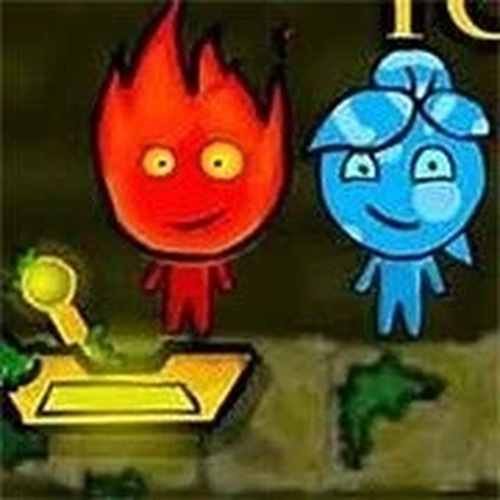
Gemstone Shrine 3 presents a fresh take on cooperative puzzle solving. Players manage two characters simultaneously, each possessing a unique resistance. One character can safely pass through fire zones but must avoid water, while the other moves freely through water but is vulnerable to flames. This duality forms the foundation of every puzzle, requiring players to think about both characters' positions and paths at all times. The challenge lies not in any single action, but in coordinating both characters to solve environmental puzzles together.
Level Structure and Hazards
The game features a series of levels set within a mysterious forest shrine. Each stage includes various obstacles such as fire pits, water pools, and pressure plates that open doors or activate bridges. Players must collect all sparkling gems scattered throughout the level before guiding each character to their designated exit door. The difficulty increases gradually, introducing new combinations of hazards and requiring more complex sequences of button presses and character swaps. Some levels may require precise timing to avoid hazards while moving both characters in sync.
Controls and Coordination
Controls are split across the keyboard for two players or a single player managing both roles. One character moves with the arrow keys, while the other uses the W, A, S, D keys. This dual-control scheme is central to the gameplay, encouraging either solo players to develop ambidexterity or two players to communicate and plan together. The interface is clean and responsive, with visual cues that help players track each character's position and status. Smooth controls ensure that the focus remains on puzzle solving rather than frustrating input issues.
Visual Style and Atmosphere
The shrine environment is rendered with bright, colorful graphics that appeal to a wide age range. Characters and hazards are clearly distinguishable, making it easy to identify safe paths and dangers at a glance. The art style is cheerful and non-threatening, avoiding any dark or scary themes. Background elements like ancient stonework and glowing gemstones create a sense of exploration without overwhelming the player. The overall presentation supports the game's family-friendly nature, making it suitable for short sessions or longer play periods.
Progression and Replay Value
As players advance, the puzzles become more intricate, requiring careful observation and strategic planning. Each level feels like a small brainteaser that rewards patience and cooperation. The game does not include timers or penalties for mistakes, allowing players to experiment and learn at their own pace. This design encourages repeated attempts to find the most efficient route or to improve coordination. For families, the cooperative nature means that both children and adults can contribute ideas and work together toward a common goal.





03 Comments
Sign in to comment
You must be logged in before posting a review or rating.
No account? Create one
No comments yet. Be the first to comment!