
Command Path: Code and Solve
Runs in your browser — no download.
Reviews
Command Path: Code and Solve stands out for its clean design and thoughtful difficulty progression. The core mechanic of arranging command blocks is simple to grasp but offers real depth as obstacles multiply and routes become more complex. The game respects the player's time by allowing unlimited attempts and providing clear visual feedback. It is an excellent choice for families looking for a screen activity that builds logical thinking without pressure or inappropriate content.
Description
Core Puzzle Logic
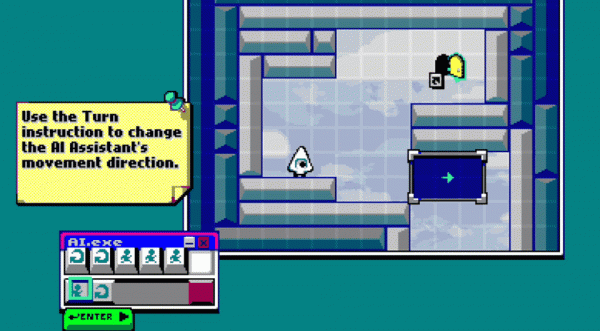
At its heart, Command Path: Code and Solve is about sequencing. Players arrange a series of command blocks—each representing a specific action like moving forward or turning—to guide a character from a starting point to a goal. The challenge comes from the environment: obstacles move along fixed routes, and touching them resets the level. This design encourages players to think ahead, plan steps, and adjust sequences based on observed patterns.
Obstacle Patterns and Strategy
The moving obstacles in Command Path follow predictable paths, but their timing and spacing vary across levels. Early puzzles introduce a single obstacle moving in a straight line, while later stages feature multiple obstacles with intersecting routes. Players must study these patterns before programming any commands. This focus on observation and timing makes each level feel like a small logic puzzle, where patience and careful analysis pay off.
Visual Style and Accessibility
The game uses bright, clear graphics that are easy to interpret. Each element—the character, obstacles, exit, and command blocks—is distinct and color-coded, reducing confusion. The interface relies entirely on drag-and-drop interactions, requiring no typing or prior coding experience. This makes the game suitable for younger players and those new to logic puzzles, while still offering depth for adults.
Progression and Difficulty Curve
Levels in Command Path are arranged to gradually increase in complexity. Early levels serve as tutorials, teaching the basic commands and obstacle behavior. As players advance, new obstacles and longer paths are introduced, requiring longer command sequences and more precise timing. The difficulty curve is gentle, allowing players to build skills incrementally without sudden spikes in challenge.
Educational Value Without Lectures
While Command Path is primarily a puzzle game, it naturally teaches fundamental concepts of sequencing, logic, and pattern recognition. Players learn to break down problems into smaller steps, test hypotheses, and iterate on solutions. These skills are presented through gameplay rather than explicit instruction, making the learning process feel organic and engaging.





03 Comments
Sign in to comment
You must be logged in before posting a review or rating.
No account? Create one
No comments yet. Be the first to comment!