

Fold the Box: A Logic Puzzle
Runs in your browser — no download.
Reviews
Fold the Box excels at making spatial reasoning approachable. The core mechanic of removing parts of a flat template to form a box is intuitive yet challenging. The visual feedback during folding is satisfying and educational. Difficulty ramps smoothly, so beginners aren't overwhelmed while experts stay engaged. The family-friendly presentation and lack of time pressure create a relaxing atmosphere. A solid choice for puzzle fans seeking a unique brain teaser.
Description
Core Concept
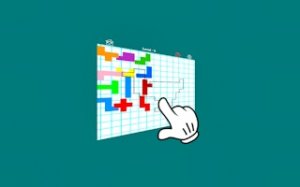
Fold the Box presents players with a flat, two-dimensional paper template on screen. The objective is to identify which sections of the template are unnecessary for forming a box and remove them. Once the correct pieces are taken away, the remaining shape folds automatically into a complete box. This core mechanic tests a player's ability to visualize how a flat pattern transforms into a three-dimensional object. Each level offers a unique layout, ensuring that no two puzzles feel the same. The satisfaction comes from seeing a simple sheet become a solid shape through careful deduction.
Visual Feedback and Interaction
Players interact by clicking or tapping on the sections they believe should be removed. The game provides immediate visual feedback, highlighting selected areas so players can review their choices before confirming. After removal, an animation shows the paper folding step by step, making the transformation clear and rewarding. This visual clarity helps players understand the folding process, even if they initially struggle with spatial reasoning. The clean, uncluttered interface keeps focus on the puzzle itself, with no distracting elements. Hints are available for those who need a nudge, but the game encourages independent problem-solving first.
Difficulty Progression
The puzzles start with simple templates that require only a few removals, making them accessible to newcomers. As players advance, the paper layouts become more intricate, with additional sections and asymmetrical patterns that demand careful analysis. The difficulty curve is gentle, allowing players to build confidence before tackling more complex designs. Later levels may include multiple possible solutions or require players to consider the order of removal. This progression keeps the game engaging without becoming frustrating, as each new challenge feels like a natural step forward.
Family-Friendly Design
Fold the Box is designed for players of all ages. The controls are simple and intuitive, requiring no prior gaming experience. The content is entirely non-violent and focuses on constructive problem-solving. Parents can feel comfortable letting children play, as the game promotes logical thinking and patience. The visual style is bright and friendly, with no scary or intense imagery. The game can be played in short sessions, making it suitable for casual play during breaks or longer focused sessions for those who want to immerse themselves in the puzzles.
Replayability and Variety
Each level presents a different paper layout, so players always face a new configuration. The variety comes from the shape of the box being created, which may be a simple cube or a more elaborate form. Some levels may require creating boxes with lids or other features, adding subtle twists to the core mechanic. Because the puzzles are based on logical deduction rather than memorization, they remain fresh even after multiple playthroughs. The game also encourages players to revisit earlier levels to improve their solving time or find alternative solutions, adding a layer of replayability beyond the initial completion.






03 Comments
Sign in to comment
You must be logged in before posting a review or rating.
No account? Create one
No comments yet. Be the first to comment!