

Pixel Pig Music Challenge
Runs in your browser — no download.
Reviews
Pixel Pig Music Challenge is an engaging rhythm game that tests your timing and coordination. The pixel art style adds a nostalgic feel, while the music keeps you motivated. The difficulty ramps up nicely, offering a satisfying challenge for both beginners and experienced players. It is free, runs in a browser, and is suitable for all ages.
Description
Game Introduction
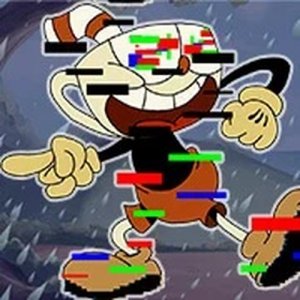
Pixel Pig Music Challenge is a rhythm-based music game inspired by popular music duel series. In this game, players take on the role of a character who engages in a musical contest against a pixelated pig opponent. The core objective is to match on-screen notes to the beat of catchy tunes, keeping the rhythm to outperform the opponent. This version is optimized for web browsers, making it accessible on various devices such as Chromebooks, Macs, and Linux systems. The pixel art graphics give it a classic, retro feel, while the music adds an energetic layer to the gameplay. Designed for players of all ages, it offers a free-to-play experience that is easy to start but challenging to master.
How to Play
Players typically use the arrow keys on their keyboard to interact with the game. As notes scroll down the screen, the player must press the corresponding arrow key when each note reaches a target zone. Timing is crucial—hitting notes accurately in sync with the music keeps the character performing and helps them succeed against the opponent. The game starts with simpler patterns and gradually increases in complexity, requiring focus and rhythm. Practice is key to improving scores and progressing through the musical challenges. The interface is straightforward, making it accessible for newcomers while offering depth for experienced rhythm game fans.
Game Features
Rhythm-based gameplay that tests timing and coordination. Pixel art graphics provide a nostalgic, classic visual style. Catchy music tracks enhance each round and keep the experience engaging. Web-optimized design ensures smooth performance on many devices without downloads. Free to play with no cost to start. Increasing difficulty levels maintain a steady challenge as players improve. The game may include a variety of songs and note patterns to keep the experience fresh. Simple controls make it easy to pick up and play.
Tips for Success
Practice regularly to improve your timing and accuracy. Focus on the rhythm of the music rather than just the visual cues—this helps you anticipate note patterns. Start with easier songs to build muscle memory before tackling harder tracks. Keep your eyes on the upcoming notes to prepare for fast sequences. Stay relaxed and avoid tensing up, as this can throw off your rhythm. Use short play sessions to gradually increase your skill level. Listening to the music outside of the game may also help you internalize the beats.







03 Comments
Sign in to comment
You must be logged in before posting a review or rating.
No account? Create one
No comments yet. Be the first to comment!